Empire Comfort Systems vs. Multiple Suppliers: How to Choose HVAC Systems for Wholesale
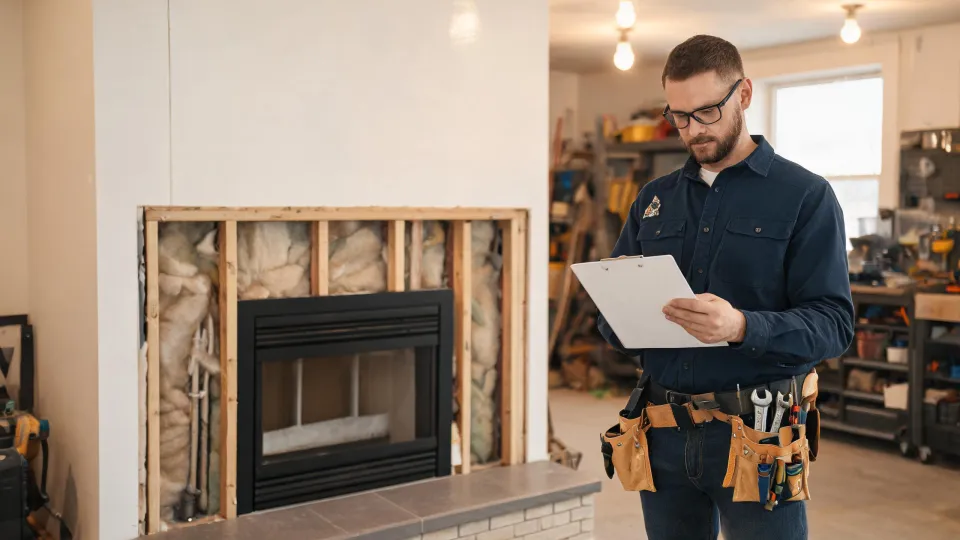
If you've ever had to explain to a contractor why their bulk air handling unit didn't ship when you promised, you know the kind of stress no spreadsheet prepares you for. I've been that person. For 11 years, I've coordinated sourcing for wholesale HVAC and hearth products—gas fireplaces, gas logs, wall heaters, ventilation systems, you name it. Somewhere north of 200 rush orders, I stopped guessing about which suppliers can actually handle deadline pressure.
This article compares two ways to source those products. You can buy from a single full-line manufacturer like Empire Comfort Systems, or you can split your order across multiple specialty vendors. If you're trying to choose HVAC systems for wholesale, the answer isn't always the same. But after a lot of late-night calls and a few expensive lessons, I have a clear opinion: for most B2B buyers, a full-line manufacturer is the safer bet.
Before you look at price lists, look at four things: lead-time risk, product compatibility, private-label flexibility, and emergency response. That's the framework I use.
1. Lead time: one purchase order vs. five phone calls
The biggest difference isn't manufacturing speed. It's coordination speed.
When I send a bulk order to one manufacturer, the products move through the factory as one project. There are fewer handoffs, fewer freight brokers, and fewer chances for a pallet to sit in a warehouse waiting on another vendor. In March 2024, we placed an order that included gas fireplaces, replacement thermostat controls, and a bulk air handling unit. The timeline was tight. About 36 hours before the site deadline, we caught a spec error and needed to reorder a component. Because the order was under one roof, I made one phone call, got a revised production slot, and paid a rush fee to keep the project alive. It wasn't cheap. We paid $400 extra to expedite, but missing that deadline would have triggered a $15,000 penalty clause.
With multiple vendors, you're managing independent promises. Each one might be fast, but fast doesn't mean synchronized. I've had a specialty vendor hit their own timeline perfectly and still cost us three days because the freight carrier wouldn't consolidate with another shipment.
Here's the part that surprised me early in my career: I assumed niche vendors would always be quicker because they specialize. More often than not, they're not. For a mix of hearth and HVAC products, a full-line manufacturer is usually more predictable because they control the entire sequence. When a deadline's on the line, predictability is worth a lot.
2. Compatibility: why more options can mean more headaches
If you work with one ventilation systems manufacturer and one fireplace brand, you learn their quirks. If you juggle five brands, good luck. Compatibility issues don't show up on a quote. They show up in the field.
A few years ago, I went back and forth for two weeks between a budget wall heater from a niche supplier and a slightly more expensive unit from a full-line supplier. The budget option looked smart until we tried to pair it with the thermostat controls we already had in stock. They weren't electrically compatible. We spent $400 on a rush reorder, and the budget heater ended up costing more than the original quote. I still remember thinking, 'this is exactly how you lose money without paying for it upfront.'
That's when I stopped treating compatibility as an afterthought. When you order from a full-line manufacturer, the gas logs are designed for their fireplaces. The thermostat controls match their product line. The ventilation components fit their air handling units. That doesn't mean every product is perfect, but there are fewer mismatched parts. If you've been searching for an Empire Comfort Systems fireplace specifically, it's probably because your customers already have the enclosure or venting in place. That's real-world compatibility.
Per CSA Group and ANSI standards for gas-fired appliances, the certification mark on a unit matters. But certification alone won't tell you whether a control board will talk to the blower you bought from someone else. Only a coordinated product line can reduce that risk.
I'm not saying specialty vendors can't make great components. Some do exceptional work. But when you mix and match, you become the systems integrator. If you have an engineering team, that's fine. If you don't, the mistakes show up as job-site delays.
3. OEM and private label: looking bigger than you are
For distributors, this is where a full-line manufacturer earns its keep. A capable manufacturer can put your name on the unit, the packaging, and the replacement parts. They can handle private-label spec sheets and sometimes custom packaging. That's hard to replicate when you're buying from several suppliers who want to keep their own brand in front of your customer.
I've tested this from both sides. On a recent bid for a regional contractor, we needed a bulk air handling unit with the contractor's name painted on the cabinet. The full-line manufacturer said yes without hesitation. A specialty vendor we respected could also do it, but with a minimum order quantity that didn't make sense for the job. The decision wasn't about quality. It was about flexibility.
The reverse is also true. If you need a unique certification or a form factor that only a niche manufacturer offers, go niche. Don't force a full-line supplier to build something outside their wheelhouse. The best wholesale strategy is a core line from a full-line manufacturer plus a short list of specialists for the gaps.
4. Emergency support: when 'probably on time' isn't good enough
I saved $80 once by choosing a cheaper delivery service for a standard order. The shipment missed my internal buffer, the site callout had to move, and I ended up spending $400 on a rush reorder. Net loss: $320 plus a burned relationship. That was a classic penny wise, pound foolish mistake.
If you've ever had a delivery arrive damaged the day before install, you know that sinking feeling. After that happens two or three times, you stop optimizing for the lowest quote and start optimizing for certainty. In my opinion, the extra 10 or 15 percent for a known lead time is not a cost. It's an insurance premium.
What are you paying for with a rush fee? Not just speed. You're paying for certainty. Uncertainty is the expensive part. A vendor that says 'maybe Tuesday' isn't giving you a discount. They're giving you risk.
Since 2023, we've held a 48-hour buffer on every wholesale order that feeds directly into a contractor's schedule. That policy came from a painful quarter when two clients needed emergency replacement parts at the same time. We processed 47 rush orders in that quarter and hit 95% on-time delivery. The 5% miss didn't come from a full-line supplier; it came from a specialized vendor's overseas backorder. Guess which one I stopped using for deadline-critical items.
I've had this exact decision keep me up at night. On one side, a full-line manufacturer with predictable lead times and a slightly higher quote. On the other, a specialty supplier offering 25% savings and a promise that the bulk air handling units would show up when they said they would. On paper, the savings made sense. But my gut said a delay would swallow those savings. I chose the higher quote. The specialty supplier's shipment showed up nine days late. The full-line units were on site with three days to spare.
5. How to choose: a simple decision framework
So, which should you pick? It depends on your situation.
- Choose a full-line manufacturer like Empire Comfort Systems when your order mixes multiple product categories, you need replacement parts, you're exploring OEM or private label, or your contractors are working toward a single deadline.
- Choose specialized suppliers when you can't source a particular certification anywhere else, you're prototyping a new product, or your volume is high enough to justify the extra coordination cost.
- Don't choose based on price alone. Ask yourself: if this vendor is two weeks late, what does that cost me? If the answer is 'nothing,' then price matters. If the answer is 'penalty clause' or 'lost trust,' then schedule certainty is the real price.
If you're evaluating Empire Comfort Systems fireplace products or their bulk air handling units, I'd put them on the shortlist. Not because there aren't other good ventilation systems manufacturers out there. There are. But in a world where contractors don't forgive late deliveries, the ability to consolidate a broad order under one roof changes the math.
The cheapest quote is only cheap if everything goes right. In my experience, that doesn't happen often enough to build a business on.

Emilia Novak is a flooring and architectural-surfaces analyst covering ceramic and porcelain tile, natural stone, resilient flooring, underlayments, countertops, adhesives, grout, and installation accessories. She uses ASTM C373 and ASTM C648 test evidence while comparing water absorption, breaking strength, slab flatness, substrate moisture, joint width, slip resistance, and installed tolerances. Her specification guides help architects, contractors, and buyers match surface systems to traffic, wet-area exposure, maintenance demands, and substrate conditions.