What to Look for in a Ventilation Systems Supplier: A Procurement Manager's Deep Dive
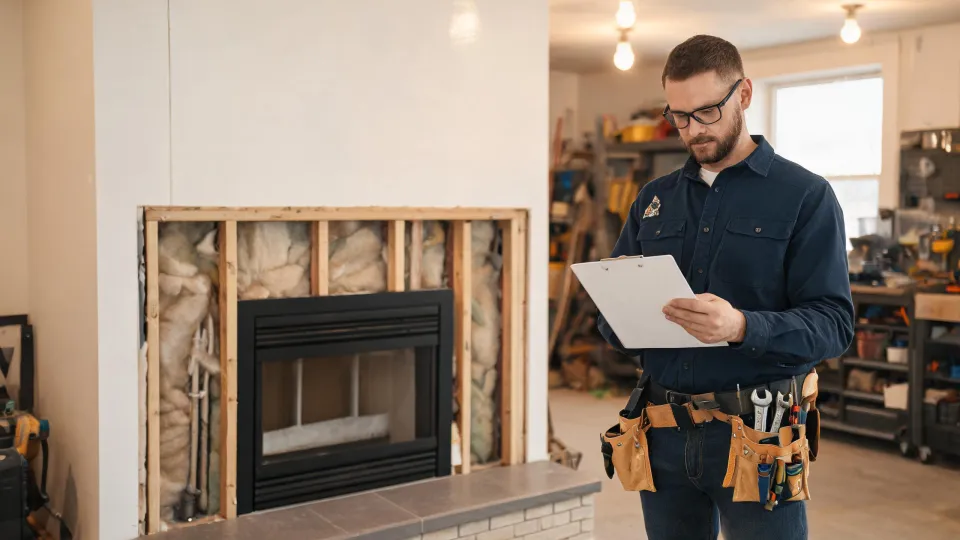
I manage facilities procurement for a 220-person engineering firm. Last fall, we decided to upgrade the gas fireplace in our main lobby. The old unit was fine, but the venting had seen better days, and we needed replacement parts for a 15-year-old insert. I figured it’d be a quick purchase: order a vent kit and a few replacement parts, hand them to our HVAC contractor, done. That’s not what happened.
The first supplier I found online had a great price on a “universal” vent kit. I ordered it, plus a replacement thermocouple and a new pilot assembly. Two days later, our contractor called. The vent kit didn’t match the flue collar on our insert. The thermocouple was the wrong thread size. The pilot assembly was for a different model year. We lost three days of work and had to pay the contractor for standby time.
At first, I thought it was a one-off mistake. But when I called the supplier, they couldn’t tell me which inserts the kit was compatible with. They didn’t have a spec sheet. They just said, “It fits most standard fireplaces.” That’s when I realized the problem wasn’t the wrong part. It was the supplier.
The Real Problem: Suppliers Who Don’t Understand Hearth & HVAC Systems
Here’s what I didn’t know three years ago: in the hearth and HVAC world, “standard” is a dangerous word. Venting components, gas logs, wall heaters, and fireplaces are engineered as systems. A vent kit from one manufacturer might not work with an insert from another, even if the dimensions look the same. The key is that the components have to be listed and labeled together.
According to NFPA (nfpa.org), NFPA 211 requires that venting systems be listed and labeled for the specific appliance they serve. You can’t mix and match components from different manufacturers unless they’ve been tested together.
That’s the deep reason why cheap suppliers fail. They treat hearth products like generic hardware. They don’t carry a full hearth systems catalog. They don’t maintain a compatibility matrix. And they definitely don’t have reliable replacement parts data for older models. They’re just reselling whatever they can source, often without the engineering documentation you need to verify fit.
I learned this the hard way. In my first year managing facilities, I made the classic specification error: I assumed “standard” meant the same thing to every vendor. Cost me a $600 redo on a wall heater installation. Now I ask for the catalog and the listing before I even request a quote.
What It Actually Costs When You Get It Wrong
Let’s talk about the real damage. A delayed fireplace project isn’t just an inconvenience. For us, it meant:
- Three days of contractor standby: $1,200
- Expedited shipping for the correct vent kit: $340
- A re-inspection fee because the first setup failed: $250
- Overtime for our maintenance team to reschedule: $180
Total: just under $2,000. And that’s before you factor in the risk. If we’d installed that mismatched venting and something went wrong, we’d be looking at carbon monoxide exposure, code violations, and possible liability. The NFPA doesn’t mess around with venting for a reason.
I saved about $200 by choosing the cheaper vent kit. Then spent $1,800 on replacements and $600 on inspection re-visits. That’s the penny-wise, pound-foolish trap in this industry. The upfront price is almost irrelevant when you factor in compatibility and compliance.
There’s another cost that’s harder to measure: your internal reputation. I had to explain to our operations director why the lobby was torn up for an extra week. She didn’t care about the $200 savings. She cared that her project was late. That’s when I started treating supplier selection as a risk management exercise, not a price comparison.
After that mess, I went back and forth between a low-cost online supplier and a certified distributor for two weeks. The online supplier offered a 30% lower price on a full order of gas logs, a wall heater, and replacement parts. The distributor offered a compatibility guarantee and a full hearth systems catalog. On paper, the savings looked great. But my gut said the distributor would save me a headache. I chose the distributor. I haven’t had a wrong part since.
What to Look for in a Ventilation Systems Supplier (and Any Hearth Supplier)
If you’re sourcing fireplace inserts, gas logs, heaters, or replacement parts, here’s a short checklist based on what I now require:
- A complete hearth systems catalog. Not just a price list. You need part numbers, compatibility notes, and technical specs. If they can’t send a PDF with all that, walk away.
- Listing and certification documents. Ask for UL, CSA, or NFPA 211 compliance evidence. A serious supplier will have these on file.
- Replacement parts availability. For older models, can they still source thermocouples, pilot assemblies, and gaskets? If not, you’re buying a disposable system.
- OEM/private label capability. If you’re a distributor or contractor, this matters. A manufacturer that supports private label usually has deeper engineering resources.
Companies like Empire Comfort Systems, for example, publish a full-line catalog that includes venting and replacement parts for their gas fireplaces, wall heaters, and wood stoves. They also offer OEM support. That’s the kind of documentation you want from any supplier, whether you buy from them or not.
One more thing: ask about their return policy and technical support. If a part doesn’t fit, will they help you troubleshoot? Or will they just issue a refund and leave you to figure it out? The good ones have a tech line. The bad ones have a generic email.
This was accurate as of early 2025. NFPA 211 and UL standards get updated periodically, and product lines change. So verify current specs and listings before you place a bulk order.
I’d rather spend 10 minutes checking a supplier’s catalog and certifications than deal with a week of installation delays. An informed buyer asks better questions and makes faster decisions. That’s not just good for the project—it’s good for your sanity.

Martin Kowalczyk is a sustainable-materials and construction-procurement analyst covering envelope products, structural materials, interior finishes, mechanical systems, prefabricated assemblies, and site infrastructure. He uses ISO 21930 construction-product rules and ISO 14025 environmental-declaration principles while comparing declared units, life-cycle modules, global-warming potential, recycled content, VOC evidence, reference service life, installed cost, and replacement cycles. His sourcing guides help architects, developers, and contractors compare technically equivalent options without confusing product performance, environmental disclosure, compliance evidence, and whole-life value.