Why I Wrote 'Empire Comfort Systems Fireplace' on the PO: A TCO Story
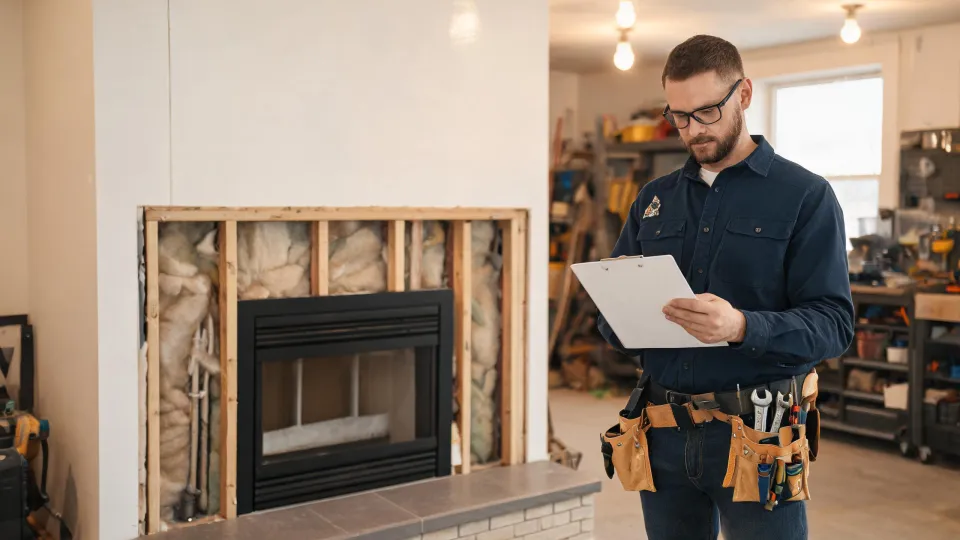
Thursday afternoon, 2:47 p.m. I was two weeks away from a bid deadline for a 72-unit multifamily retrofit, and my normal sourcing process had just fallen apart. The project needed gas fireplace inserts, a dozen freestanding stoves, 110 sets of ductwork, and 200 thermostats with controls. One email, four product categories, maybe too many variables.
I run procurement for a 28-person HVAC and hearth distributor. We spend roughly $1.1 million a year on equipment, and I have tracked every order in the same cost tracking system since 2021. That spreadsheet has done more to shape my buying decisions than any vendor presentation. It is also why I ignored the obvious path.
The obvious path was to split the order across four suppliers: a fireplace specialist, a wood stove manufacturer, a duct fabricator, and a controls vendor. That is how we had always done it. But that also meant four submittals, four freight schedules, four payment cycles, and four approval loops. In a two-week window, that felt like a rapid way to make a bad decision.
I called Empire Comfort Systems because their name was already on our approved vendor list, and they carry both hearth and HVAC equipment. I asked for a bundled quote for the fireplace inserts, the stoves, the ductwork, and the thermostat controls. Not a clean RFQ—or rather, not the way we usually do it. I was hoping the total would be competitive enough that we could consolidate and get home before the deadline.
The quote that made me stop comparing unit prices
Their quote came back in two days. If I remember correctly, the total was around $94,000, but don't quote me on the exact number. The unit price on the Empire Comfort Systems fireplace portion was not the lowest. In fact, it was roughly $160 more per insert than a competitor's quote I had on my desk.
It's tempting to think you just compare unit prices and go with the smaller number. But identical specs from different vendors can result in wildly different outcomes when you factor in controls, labor, and inspection risk. The cheaper insert came with no controls package. The spec sheet simply said controls optional. That one word optional would have meant a $2,150 upgrade per unit after our local inspector rejected the setup.
That was the first red flag. The thermostat controls compliance requirements in our jurisdiction are not a suggestion. As of January 2025, our local building department requires the controls to be listed for automatic heating controls and configured according to the approved submittal. The cheaper vendor offered neither documentation nor a clear compliance path. Empire's quote included a note about the controls meeting the relevant code requirements, which saved us from a long and expensive conversation with the AHJ.
Ductwork was a second surprise
I almost skimmed past the ductwork section because ductwork feels commodity. That was a mistake. The Empire quote included full ductwork specifications: gauge thickness, static pressure assumptions, and connection details. The alternative vendor's quote said ductwork per standard. That phrase, per standard, is the kind of thing that sounds fine until an engineer asks what standard and you cannot answer.
Looking back, I should have asked for complete ductwork specifications before the bid was due. At the time, I assumed ductwork is ductwork. It isn't. The ductwork specs ended up affecting the thermostat locations, the control wiring plan, and even the framing of the fireplace inserts. One supplier that could coordinate all those pieces made the job dramatically easier.
For the stoves, we also considered our usual wood stove manufacturer. They had a better wholesale price, and we had purchased from them for years. But their EPA certification paperwork required three phone calls and a follow-up email to get. Empire's certification document was attached to the quote as a PDF, with the certificate number and test date visible. Under time pressure, easier paperwork won.
Where the spreadsheet finally helped
By Friday, I had built a comparison model. Not a fancy tool, just a shared spreadsheet with columns for base price, freight, controls, labor hours, inspection risk, and documentation time. I did this because our procurement policy now requires quotes from at least three vendors for any order over $25,000. That policy exists because I got burned twice on hidden fees, and I built the cost calculator after the second time.
The spreadsheet made the decision obvious. The Empire quote was about 8 percent higher on paper, but the projected total cost came out 11 percent lower once I added controls upgrades, freight delays, submittal review hours, and the risk of a failed inspection. That is the kind of difference that hides in fine print.
One number still stands out. The cheaper stove manufacturer would have saved us about $3,200 on the stove line, but their freight schedule was two weeks longer and their documentation would have cost us four days of engineering time. The same story repeated across every category. The lowest quoted price was never the lowest total cost.
What I would do differently
If I could redo that decision, I would request the inspector's review before ordering instead of after. But given what we knew then, consolidating with Empire Comfort Systems was the right call. We submitted the bid, won the project, and have placed three more orders with them since.
So glad I checked the thermostat controls before signing. We were one click away from ordering 200 inserts with non-compliant controls. That would have been a $12,000 mistake. (Should mention: the inspector confirmed it when we eventually met, so this is not a hypothetical.)
Now, when someone asks if an Empire Comfort Systems fireplace is worth the premium, my answer is: it depends on whether you are pricing the appliance or the whole job. The same logic applies to any wood stove manufacturer, ductwork supplier, or controls vendor. What matters is the installed, inspected, working system.
Bottom line: unit price is a red herring. Total cost is the only number that matters. If you are buying hearth or HVAC equipment, ask for ductwork specifications and thermostat controls compliance requirements in writing before you compare quotes. And if a vendor cannot provide those quickly, that is a warning sign, no matter how good their price looks.

Emilia Novak is a flooring and architectural-surfaces analyst covering ceramic and porcelain tile, natural stone, resilient flooring, underlayments, countertops, adhesives, grout, and installation accessories. She uses ASTM C373 and ASTM C648 test evidence while comparing water absorption, breaking strength, slab flatness, substrate moisture, joint width, slip resistance, and installed tolerances. Her specification guides help architects, contractors, and buyers match surface systems to traffic, wet-area exposure, maintenance demands, and substrate conditions.