Empire Comfort Systems Gas Fireplace Distributor: A 48-Hour Rush Order Story
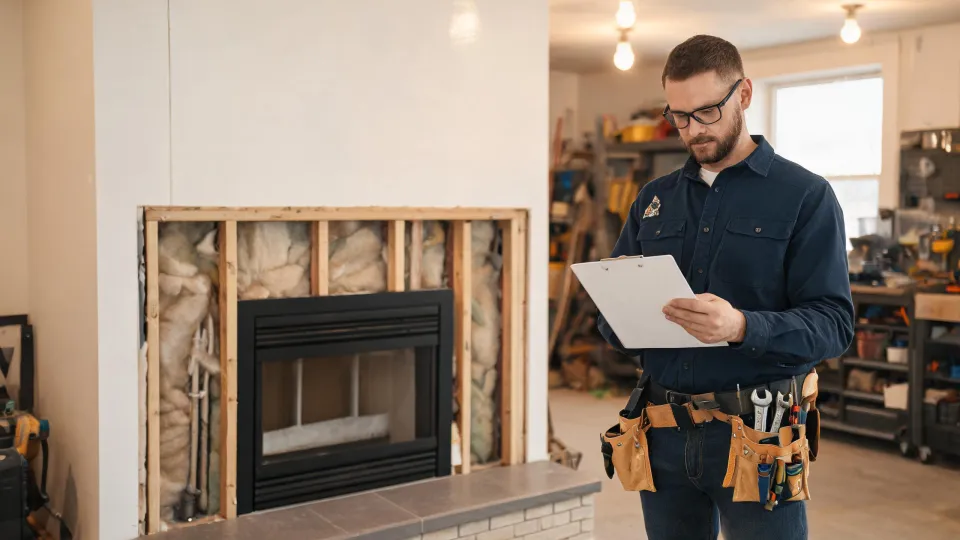
It was March 15, 2024, a Friday that I remember more clearly than most. It started with a voicemail at 3:55 PM. The voice was flat, but the words weren't:
We ordered 28 gas fireplaces three weeks ago. We just found out they won't be here by Monday's inspection. We need a real gas fireplace distributor who can do something that doesn't sound possible.
I'm not going to pretend I knew it would work. In my 14 years at Empire Comfort Systems, I've handled a lot of rush orders — more than 300 by our internal count — but this one had a special kind of pressure. The project was a mountain-lodge hotel with 28 guest suites, each needing a direct-vent gas fireplace. The common area needed a wood stove. And the mechanical schedule had to include a ventilation systems specification guide from us because the air-handling units were part of the same delivery.
The Search for Stock
After the first call, I typed empire-comfort-systems into our inventory portal to see what we could actually ship in 72 hours. That search string doesn't mean much to a customer, but for us it's the fastest way to see the gap between the catalog and real stock.
At 5:15, I had a rough count: 14 direct-vent inserts in one warehouse, 9 built-in fireplaces in another, and 3 units in transit. That gave us 26. We needed 28. Two more units were located at a partner distributor's dock after a series of phone calls. I remember thinking, okay, this might actually work.
The freight quote wasn't pretty. A dedicated run from the central warehouse to the job site was $840, plus a weekend driver fee. I told the contractor straight: this is not the cheapest way. He said he didn't care about the freight cost; he cared about the penalty clause. That's a decision I understand.
The Architect Changed the Spec
Then the architect changed the wood stove spec. At 6:30, the contractor emailed: The chase is framed at 30 inches. The stove we were quoted is 34.5. Can you find one in your wood stove catalog? I opened the wood stove catalog PDF, looked up a model, and saw the height was 31.75 inches. Not enough. The next model had a top heat shield option that made it 28.75 inches with the trim collar. That worked.
The most frustrating part of this business isn't the math. It's the surprise. You'd think a construction schedule with a $40,000 penalty clause would have a buffer built in. But it doesn't. I've never fully understood why someone frames a chase before confirming the final appliance. My best guess is that fireplaces get treated as decorative afterthoughts, not mechanical systems. In a hotel, they're the centerpiece. In the schedule, they're at the bottom. That mismatch causes more emergency calls than anything else.
The Ventilation Curveball
At 8:10, the mechanical engineer emailed with a question about the ventilation systems specification guide. They needed to verify the pressure class and the casing leak rate of the air-handling units going into the mechanical penthouse. This is the part of the job most people never think about. The gas fireplace gets all the attention. The ventilation systems specification guide is the document that actually keeps the project on schedule, because the inspector will check it long before he lights a fire.
Being a gas fireplace distributor means carrying more than combustion boxes. It means having spec sheets, cross-reference lists, venting diagrams, and a willingness to answer the phone at 8 PM on a Friday. Empire Comfort Systems does that because our distribution network is built for it. But there are limits.
The honest limitation is this: a rush order works when you can be flexible. If you need a specific model, in a specific color, with a specific trim kit, and you need it in 72 hours, there's a chance we'll say no. That's not false advertising; it's reality. We had 26 of the 28 units sitting in warehouses on Friday night. If we'd had zero, no amount of calling would have made the Monday deadline happen. A manufacturer with a supply chain is not a magician. Flexibility is the difference between a possible rush and an impossible one.
What Actually Saved the Project
What we can do — and did — is use the information we had better. Every gas fireplace in our lineup is tested to the relevant ANSI Z21.50 standard for vented gas fireplaces. The wood stove catalog lists UL 1482 and EPA Phase 2 emissions compliance. The ventilation systems specification guide includes air-leakage class data for our air-handling units. Those references sound dull, but they're exactly what a city inspector asks for when he walks in with a clipboard.
By Sunday evening, 27 units were loaded on a truck, and the last unit was picked up by a courier from a nearby distribution center. The remaining units arrived before the 9 AM inspection. The inspection passed. The contractor avoided a $40,000 penalty clause and a delayed opening. We didn't just sell fireplaces; we saved the schedule.
Here's the thing I want to say to anyone searching for empire comfort systems gas fireplace options online: the search is the easy part. The hard part is whether the person on the other end actually understands clearances, venting, gas supply, and code inspection. That's why I work at a distributor instead of a call center. I get to say no when it doesn't make sense, and yes when it does.
If you're planning a project right now, don't wait until fifteen hours before an inspection. Call a gas fireplace distributor early. Ask for the wood stove catalog. Ask for the ventilation systems specification guide. Ask the uncomfortable questions about lead times. Most of all, ask what can go wrong — because that's the question that saves deadlines. In my experience, it's also the one the quiet voicemail on a Friday is usually afraid to ask.

Emilia Novak is a flooring and architectural-surfaces analyst covering ceramic and porcelain tile, natural stone, resilient flooring, underlayments, countertops, adhesives, grout, and installation accessories. She uses ASTM C373 and ASTM C648 test evidence while comparing water absorption, breaking strength, slab flatness, substrate moisture, joint width, slip resistance, and installed tolerances. Her specification guides help architects, contractors, and buyers match surface systems to traffic, wet-area exposure, maintenance demands, and substrate conditions.